
What health justice organizations are seeing—and what it means for philanthropy
August 2026
Severe weather is increasingly shaping the conditions in which people live, work, and access care. Over the past year, communities across the country have experienced disasters that have disrupted power, displaced families, destroyed homes, and created new and urgent health needs.
On July 4, 2025, catastrophic flooding along Texas’ Guadalupe River followed historic rainfall, with the river rising more than 26 feet in roughly 90 minutes. Wildfires across parts of the Midwest and West Coast displaced communities and created dangerous air quality conditions. And in January 2026, Winter Storm Fern brought Tennessee to a standstill. Ice brought down trees and power infrastructure, leaving more than 365,000 customers statewide without power. Nashville alone saw more than 200,000 outages, with some families without electricity for more than a week.
The effects of extreme weather don’t end when the storm passes. Families may lose food and medication, face unsafe housing or transportation challenges, and need help navigating resources. For organizations working closely with communities, those needs can quickly become part of the work—even when disaster response was never part of their original mission.
We asked members of the Rx Foundation network what they’re seeing: How are severe weather and changing conditions affecting the people they serve? How are organizations adapting? What are they learning about the relationship between climate, health, and their work? And what kinds of support would help them respond?
What they shared shows how health, climate, community infrastructure, and organizational capacity are intrinsically connected.
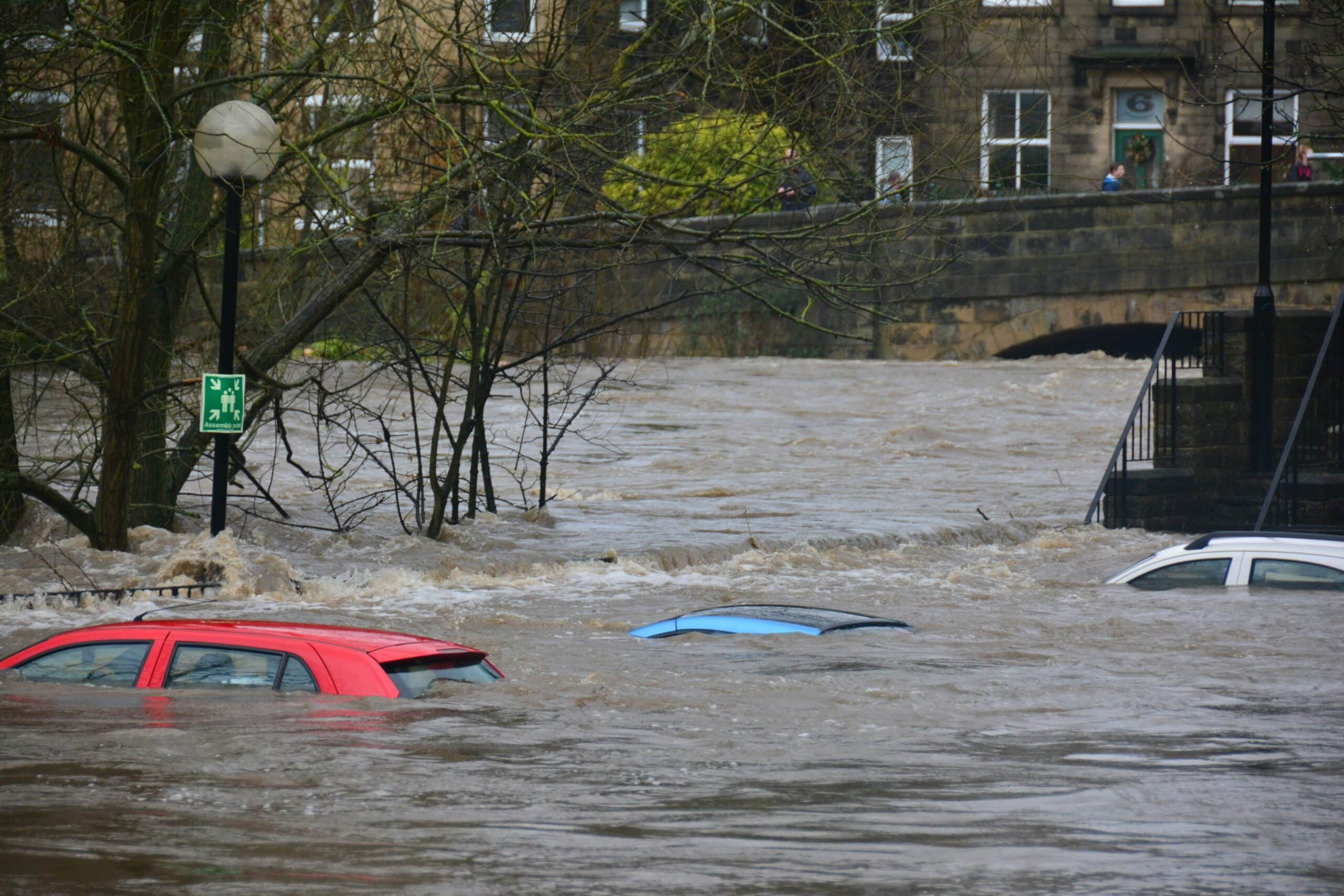
Photo by Chris Gallagher on Unsplash
Stepping In When Existing Resources Fall Short
For New Disabled South, the impact became clear after Hurricane Helene affected communities across Western North Carolina, South Carolina, Florida, and Georgia.
Disabled people reached out to the organization looking for resources or direction. At the same time, New Disabled South was finding that FEMA was no longer a reliable resource for many people facing disasters.
So they stepped in.
The organization provided $20,000 in immediate cash assistance and raised additional funds to support people affected by the storms. The money helped people purchase food, gas, lanterns, and other necessities. One person used the assistance to purchase a small refrigerator needed to safely store medication.
New Disabled South was not set up as a disaster-response organization. But the need was there.
As they explained, they could not watch their communities hurt after a disaster and not find some way to help.
That response illustrates a reality many community-based organizations face: when the systems people depend on don’t meet the moment, trusted organizations are often among the first places people turn.
Adapting the Work to Keep People Safe
UIn Florida, Faith in Florida is experiencing extreme heat that is changing how the organization carries out its work.
Dangerous temperatures forced the organization to cancel its canvassing program and shift to phone banking. For poll monitoring, staff and volunteers now take more frequent breaks, and the organization is prioritizing hydration.
Faith in Florida also purchased additional tents for shade and, as its budget allows, provided small portable fans, water, and Gatorade.
The extreme heat has slowed the pace of the organization’s work, but it has also created an unexpected opening in its listening sessions. People are experiencing these conditions firsthand and beginning to connect what they’re feeling in their daily lives with broader conversations about climate change and health.
The work hasn’t stopped. It has adapted.
Making Extreme Weather Part of Harm Reduction
For Sea Change, preparing for extreme weather has become an important part of serving people experiencing homelessness and substance use disorder.
The organization is advocating for stronger community resources, including cooling and warming centers that are accessible to people often left out of traditional emergency infrastructure.
When those resources are limited or unavailable, Sea Change responds directly.
During extreme heat, that can mean bottled water, hydration packets, cooling cloths, and transportation. During extreme cold, it can mean blankets, tents, hand warmers, and rides to cooling and warming centers, shelters, medical appointments, treatment services, or other safe locations.
Each expense may seem small, but together they add up quickly. Rising gas prices and the increasing cost of goods and services put additional pressure on organizations already operating with limited resources.
Preparing for these emergencies is now essential to ensuring Sea Change can respond when dangerous conditions arrive.
Helping People Find the Resources That Already Exist
In Ohio, UHCAN Ohio is seeing how quickly a weather event can create health and economic consequences for families.
Recent storms in Columbus left some residents without power for two to four days. Families lost the food in their refrigerators and freezers, including the family of a UHCAN Ohio staff member.
There are resources that may help. For example, people receiving SNAP may be eligible for replacement benefits after losing food because of a qualifying power outage. But they need to know the resource exists and apply within 10 days.
UHCAN Ohio has begun sharing this information with faith communities and other trusted messengers as quickly as possible.
Their experience points to a larger need: consistently supporting the people who help communities navigate available resources after a disaster. Health Care Navigators, Certified Application Counselors, Community Health Workers, and other trusted messengers can help people connect to support when systems become difficult to navigate.
What These Experiences Tell Us
These organizations are responding to very different circumstances, but a common thread remains.
Severe weather is changing what communities need—and organizations are changing with them.
Sometimes that means providing direct financial assistance. Sometimes it means moving organizing work indoors, purchasing supplies, providing transportation, or helping people navigate benefits. It can also mean advocating for infrastructure that communities need but don’t currently have.
None of these responses necessarily fit neatly into an organization’s original plans. But they are increasingly part of what it means to support the health and wellbeing of the people and communities they serve.
That has implications for philanthropy.
A grant may begin with one set of goals while the conditions around an organization change. Strong partnerships need enough flexibility for organizations to respond to those changes rather than forcing emerging needs into the boundaries of an original proposal.
That can mean flexible resources, longer-term relationships, and trust in the organizations closest to the communities they serve. It can mean recognizing that a small purchase—water, transportation, a refrigerator for medication—can make a significant difference in a person’s ability to remain safe and healthy.
It also means paying attention to what organizations are seeing first.
Community-based organizations are often close enough to the ground to recognize emerging needs before they become visible through traditional systems or data. Their experiences can point to gaps in public infrastructure, opportunities for investment, and ways that philanthropy can help strengthen the networks people rely on when circumstances change.
The lesson isn’t that every health justice organization needs to become a disaster-response organization.
It is that health justice work happens in the real world, where conditions change, and community needs don’t always fit neatly into a grant proposal.
Philanthropy can respond by building partnerships that leave room for organizations to adapt—to trust their knowledge of their communities, follow emerging needs, and continue doing the work that improves people’s health and wellbeing.
For the Rx Foundation, these conversations are part of how we continue learning alongside our partners. Their experiences remind us that supporting health means supporting the people and organizations that are closest to the work—and giving them the room and resources to respond to what their communities need.
The work changes. Our partnerships should have room to change with it.

Connect With Us on Social Media
Follow-us on social media for the most up-to-date news, resources, and events from the Rx Foundation and its partners.