

Hosted on September 25, 2024
In this webinar, colleagues from Trust for Public Land and Parque Padrinos dive into the academic research around social capital, cohesion, and civic engagement through park engagement, and detail how activating a park generated a movement with long-ranging impacts on community power and health equity in Wenatchee, Washington.
Democracy happens outside: Leveraging parks for community connection & health equity
from Rx Foundation’s Power is a Social Determinant of Health series
Session description: Parks are more than green spaces; they are now vibrant hubs of democracy in action! We all know parks are great for our bodies and minds, but they also have the power to strengthen social bonds and unite communities at a time when toxic polarization and distrust are fraying the country’s social fabric.
Join Trust for Public Land and our community partners at Parque Padrinos as they reveal how activating a park generated a movement with long-ranging impacts on community power and health equity.
They dive into the academic research around social capital, cohesion, and civic engagement through park engagement, and explore questions together such as:
Watch the Recording
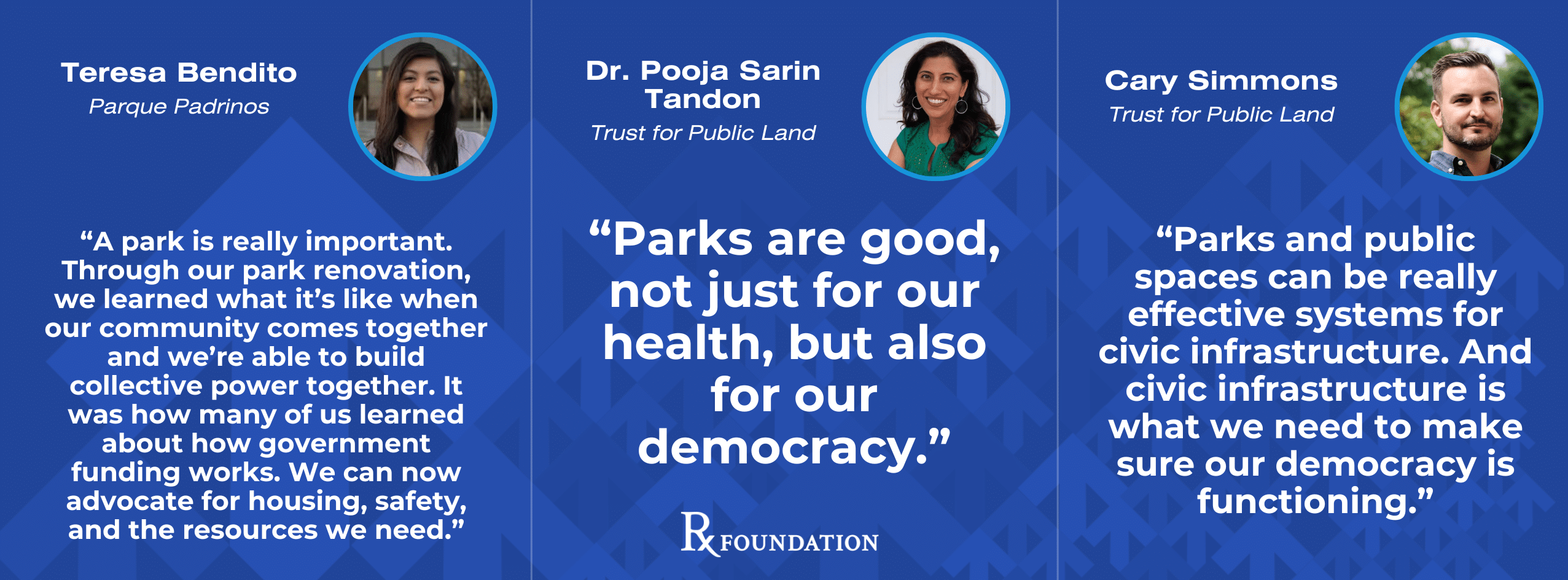
Notable Quotes
Session Resources

The Common Ground Framework
Parks and green spaces are our common ground. In a time when the United States—and, indeed, much of the world—feels increasingly polarized across political, racial, ethnic, and socioeconomic lines, green space offers a much needed space for building bridges and relationships across lines of difference. Based on Trust for Public Land’s extensive experience creating parks and protecting land with a diverse range of communities, we offer an evidence-based community engagement model, along with more than 50 recommended strategies for planning, programming, and design activities that are proven to help communities thrive.
The paper demonstrates how the formation of social ties, the development of a sense of belonging, and engagement with civic action can set up neighbors to shape and achieve their health, climate resilience, and equity goals. The Common Ground Framework is a call to action for all park advocates, shedding light on community engagement strategies, policy recommendations, and research needs that can drive a kinder, more connected future.

The Power of Parks: Building Democracy Through Green Spaces
The Trust for Public Land developed a framework to build community power through the creation and stewardship of green spaces. Their work demonstrates the power of parks to enrich democracy.
This piece highlights four powerful case studies of park- and land-based social infrastructure development.
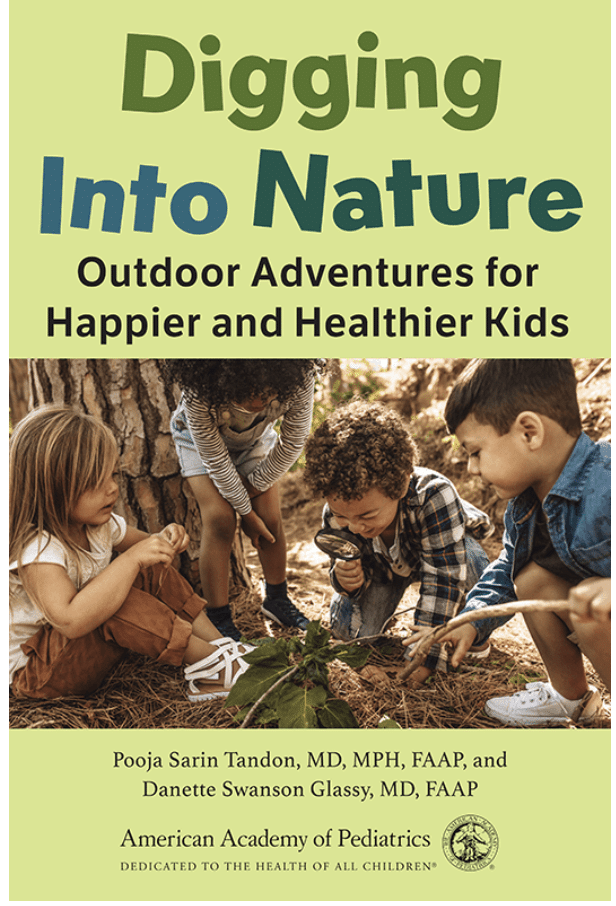
Coming Soon! Digging Into Nature: Outdoor Adventures for Happier and Healthier Kids
Dr. Pooja Sarin Tandon and Dr. Danette Swanson Glassy have a forthcoming book on the topic of nature and children’s with the American Academy of Pediatrics!
Children living in the United States spend an average of 7 hours a day on entertainment media, including TVs, phones, computers, and video game systems. It’s a lose-lose scenario. Kids are suffering the effects of too much screen time and they’re missing out on the very real benefits of spending time outside.
Pediatricians and nature experts Tandon and Glassy make the convincing case that children and families will be happier, healthier, and more resilient when spending time in nature. They offer a wealth of suggestions for nature-based activities and suggestions for overcoming common challenges busy families face when trying to increase their outdoor time.
The authors address the importance of nature for children’s health at every age from infancy through adolescence and link their suggested activities to key developmental milestones. Digging Into Nature takes an inclusive approach, providing practical tips for parents of children with special health care needs, chronic health conditions, and cultural considerations to help all children reap the gifts that the great outdoors offer.
Session Highlights
Speakers
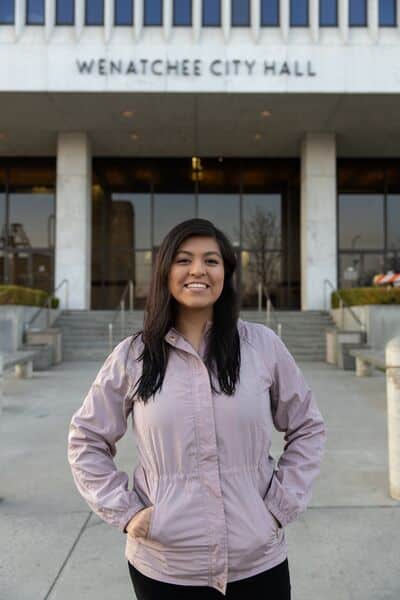
Teresa Bendito (she/her)
Teresa Bendito is a community organizer and co‐founder of Parque Padrinos, a grassroots community organization that leads park advocacy, relationship building, and culturally relevant outdoor experiences in South Wenatchee, Washington. Teresa is currently completing an accounting degree at Central Washington University. The daughter of Mexican immigrants, Teresa’s parents instilled in her the importance of civic engagement and public service, and she’s served in a variety of leadership roles at organizations in her community, including the Northwest Immigrant Rights Project, the Community for the Advancement of Family Education (CAFÉ), the Washington Trust for Historic Preservation, and The Trust for Public Land.
Teresa is the recipient of several honors and awards, including the Forward Award from the Washington Wildlife and Recreation Coalition and the Our Valley, Our Future’s “One Community Award” in recognition of her role in co founding Parque Padrinos, advancing a community vision for a neighborhood park renovation in her neighborhood, and collaborating with others to break down institutional and cultural barriers in Wenatchee. Teresa is passionate about leveraging diversity, placemaking, and civic engagement activities to address bigger issues that her community faces.
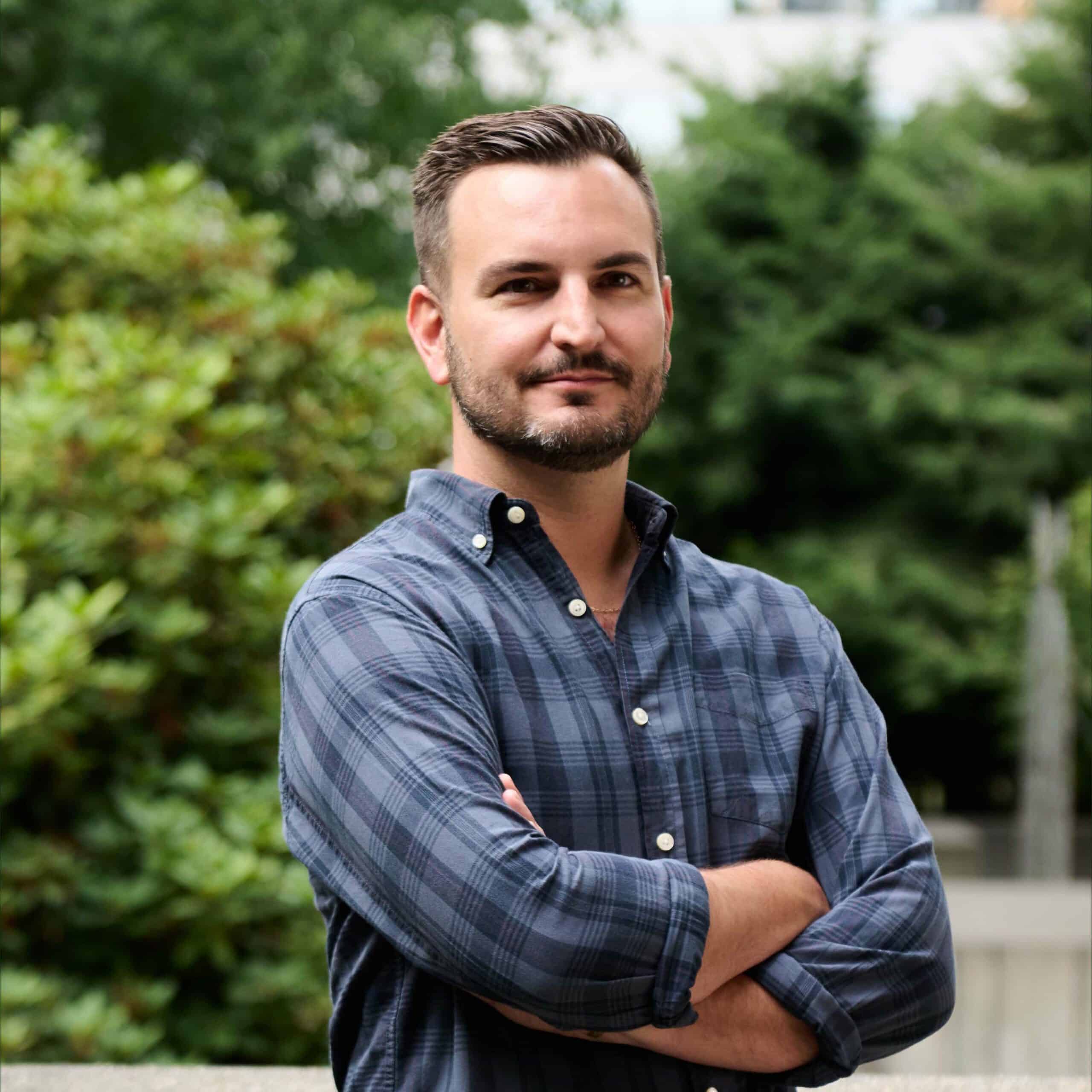
Cary Simmons (he/him)
Cary Simmons is the Director of Community Strategies at Trust for Public Land. He is the organization’s leading expert on innovative community engagement and partnership models that deliver powerful social outcomes, and his team leads TPL’s national partnerships and collaborations around creative placemaking, welcoming and belonging, and civic engagement.
He has worked at the organization for eight years, previously in a field leadership role in the Northwest, where he developed more than a dozen neighborhood parks and schoolyards across Washington, Montana, and Wyoming. Prior to TPL, Cary led several nationally significant memorial design and city park development projects at AECOM, based in Washington, DC. He has also worked previously at the Smithsonian Institution, the Intergovernmental Panel on Climate Change, and the Urban Resources Initiative. He earned his Bachelor of Landscape Architecture from the Fay Jones School of Architecture at the University of Arkansas and his Master of Environmental Management from the School of Forestry & Environmental Studies at Yale University.
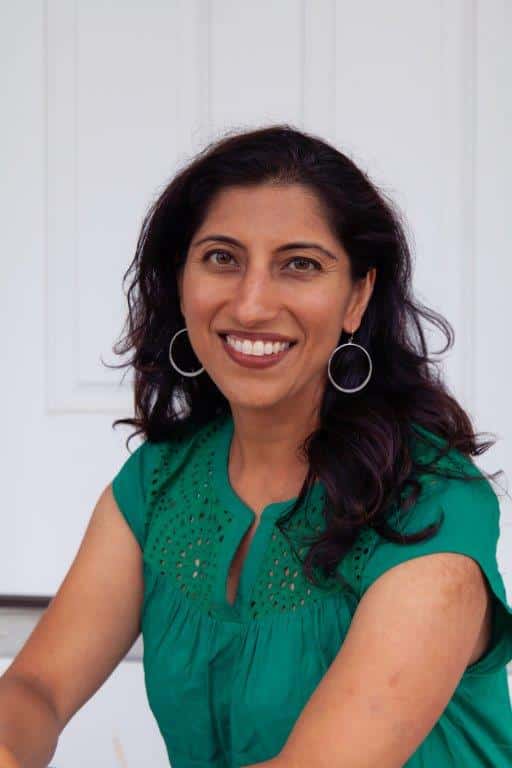
Dr. Pooja Sarin Tandon (she/her)
Dr. Pooja Sarin Tandon is Health Director at Trust for Public Land, a general pediatrician and health researcher who has dedicated her career to advancing children’s health by promoting healthy behaviors and reducing disparities. In particular, her work has focused on play equity (“play for all children”), and promoting access to physical activity and outdoor recreation. In addition to her role at TPL, she is an Associate Professor of Pediatrics at the University of Washington (UW) School of Medicine, Adjunct Associate Professor at UW’s School of Public Health, and a researcher at the Seattle Children’s Research Institute.
Pooja was the senior author of a landmark 2021 paper in the journal Pediatrics, on the relationship between nature contact and children’s health, and has published numerous other research papers including a study on the correlation between park access and mental health among parents and children during the COVID-19 pandemic, and synthesis of research on nature-based engagement by Latinos in the United States. Her volunteer work includes serving on the Board of Islandwood, a leading environmental education center here in the Pacific Northwest and on Washington state’s Parks Rx Legislative Task Force, where she worked towards the development of a pilot statewide “Parks Prescription” program. Dr. Tandon also co-founded the Climate Change CARE Committee for the Department of Pediatrics Committee at the University of Washington School of Medicine and led her Division’s Diversity in Hiring working group. Her powerful TEDx talk titled “The Power of Belonging in Nature” underscores her commitment to ensuring that every individual has the right to play, learn, and thrive in the outdoors.
Pooja was born in India, moved to the U.S. as a child, attended college and medical school at Brown University, trained in pediatrics at Boston Children’s Hospital and Boston Medical Center, and earned her Master of Public Health degree at UW.

Connect With Us on Social Media
Follow-us on social media for the most up-to-date news, resources, and events from the Rx Foundation and its partners.